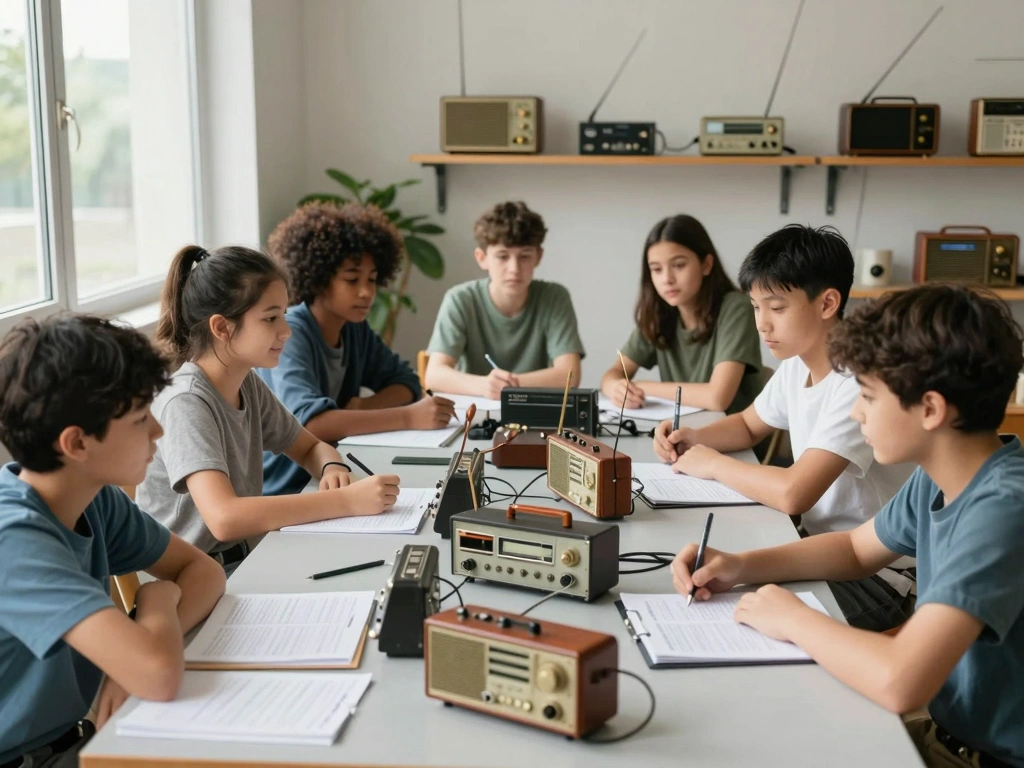
Understanding Screen-Free Play
In today's digital age, children are increasingly drawn to screens, which can lead to quick gratification and distraction from the benefits of active, imaginative play. This article explores the vitality of screen-free activities, advocating for a balanced approach to play that enhances creativity, problem-solving skills, and social interactions among children. As we delve into the world of screen-free toys and activities, you can learn more today about how to keep your kids fully engaged and happy.
Benefits of Screen-Free Activities
Screen-free activities offer numerous benefits that extend far beyond mere entertainment. Engaging in non-digital play helps to enhance the cognitive, physical, and emotional well-being of children. These activities promote critical thinking, encourage creativity, and develop fine and gross motor skills.
Increased attention spans are another substantial benefit derived from screen-free play. Children learn to focus their attention on physical activities, puzzles, or building tasks, which fosters patience and persistence. Furthermore, these activities nurture social skills as kids collaborate, negotiate roles, and learn to communicate effectively with their peers.
How Play Influences Child Development
The relationship between play and child development is well-supported by research indicating that play is fundamental in developing essential skills and attributes in children. During play, children explore their environment, learn to navigate social norms, and express emotions.
According to developmental psychologists, play enhances problem-solving abilities and encourages children to test hypotheses about how the world works. Through trial and error during play, children develop critical thinking skills that are crucial in their educational journey. Establishing a rich play environment prepares them to face real-world challenges effectively.
Overcoming Screen Dependency
As screens become increasingly pervasive, many children show signs of dependency on electronic devices. To overcome this dependency, parents and caregivers must model healthy screen usage behaviors while providing enticing alternatives. Awareness of the consequences of excessive screen time—a range of developmental issues, attention challenges, and diminished interpersonal skills—can help motivate parents to seek screen-free resolutions.
Encouraging outdoor play, enrolling kids in arts and crafts classes, or fostering hobbies such as gardening can provide children with fulfilling experiences that reduce the allure of screens. Setting limits on screen time and creating screen-free zones at home reinforces the importance of engaging in alternative activities.
Types of Screen-Free Toys
Art Supplies for Creativity
Art supplies serve as an excellent gateway to self-expression for children. A simple array of colors and materials like paints, crayons, paper, and clay can inspire artistic pursuits. Engaging in art activities not only promotes creativity but also enhances fine motor skills. Activities that include painting, drawing, or sculpting allow children to articulate their feelings and thoughts visually.
Incorporating themed challenges, such as creating art inspired by nature or famous artists, can further ignite creativity. These tasks encourage children to develop concepts, while they learn about color theory and composition.
Building and Construction Sets
Building toys, such as blocks, LEGO sets, and other construction kits, provide children with an opportunity to explore engineering principles and problem-solving strategies. The tactile experience of assembling structures reinforces spatial awareness and introduces foundational STEM concepts.
Challenges like building free-standing structures or recreating famous buildings can make construction play more engaging. This type of interactive play is essential in developing critical thinking as children learn the basics of balance, stability, and geometry.
Outdoor Toys and Games
Outdoor play is vital for children's physical health and well-being. Outdoor toys, such as balls, jump ropes, and bicycles, encourage active movement, contributing to better fitness levels and coordination. Games like tag, hide and seek, or scavenger hunts provide social interaction and teamwork opportunities while entertaining children in an active way.
Creating nature-inspired games or obstacle courses can also be exciting for children. Combined with a picnic or family outing, these activities create cherished memories while reinforcing the importance of physical activity and exploration.
Craft Projects to Inspire Imagination
Simple Crafts for All Ages
Craft projects can adapt to various age groups, making them a versatile tool for creative expression. Simple crafts like paper mâché, origami, or custom greeting cards offer enthusiastic hands-on experiences suitable for all kids. These projects serve as bridges between imagination and reality, enabling kids to learn new skills while expressing their individuality.
Parents can facilitate craft days by sourcing supplies, providing guidance, and showcasing finished projects. Regularly organizing craft meetings helps maintain children’s interest and fosters a sense of community through collaboration.
Themed Play Ideas
Themed play activities encourage children to immerse themselves in separate imaginative worlds. For example, a nature theme can include crafting butterfly houses, building fairy gardens, or creating leaf art. Themes not only spark creativity but also infuse playtime with educational opportunities, teaching children about various subjects through hands-on projects.
Incorporating storytelling into themed play can further enhance the experience, allowing children to craft narratives or engage in role play related to their creations.
Integrating Learning with Crafting
Crafting can coincide wonderfully with educational lessons, combining hands-on creativity with formal learning. For example, children can learn about mathematical concepts through sewing, measuring, or pattern-making. Science experiments can also be made fun with crafting projects, such as building a volcano with clay or creating solar system mobiles from cardboard.
By weaving educational elements into artistic pursuits, children remain engaged while gaining essential skills and knowledge—turning craft time into learning time without the pressure of traditional educational environments.

Setting Up a Screen-Free Play Space
Creating a Dedicated Play Area
Designing a dedicated play space is essential for fostering opportunities for screen-free engagement. This area should be well-organized, welcoming, and filled with stimulating toys and materials. It could be a section of the living room, a basement, or an outdoor area, equipped with colorful storage bins and accessible craft supplies.
Incorporating comfort items like seating, pillows, or cushions can encourage children to spend more time in the space. Paint or decorate the space with bright colors and inspiring artwork to set an inviting atmosphere.
Organizing Toys for Easy Access
To maximize play potential, organizing toys efficiently is crucial. Clear storage containers labeled with images or colors make it easy for kids to locate their favorite games and crafts without causing frustration. Implementing a rotating system helps prevent boredom, offering children new challenges regularly while keeping the environment fresh and exciting.
By maintaining a tidy play area, parents can foster a sense of responsibility in children. Encouraging kids to help clean up serves as an opportunity to consider the importance of organization and care for their belongings.
Incorporating Nature into Play
Integrating elements of nature can enhance the play experience significantly. Outdoor exploration, gardening, and natural crafting projects enable children to connect with their environment. Go for nature walks to collect items for artwork, like pinecones, leaves, and flowers, transforming the outdoors into a creative playground.
Creating an outdoor garden or setting up space for planting can instill a sense of responsibility while teaching kids about life cycles and botany concepts. These explorations encourage curiosity and deeper understanding of the natural world.
FAQs about Screen-Free Toys
What are screen-free toys?
Screen-free toys are products that do not involve electronic screens. They encourage physical, imaginative, or social play without technology, such as arts and crafts materials, building sets, and outdoor games.
How do screen-free toys benefit kids?
Screen-free toys foster creativity, promote social skills, and improve motor skills. They encourage imagination and critical thinking, while also helping children develop problem-solving abilities through hands-on interaction.
What types of screen-free activities are best?
Some of the best screen-free activities include arts and crafts, outdoor games, building and construction play, and imaginative role-playing, which cater to various ages and encourage various developmental skills.
How can I encourage my child to play off-screen?
Encouraging off-screen play can be achieved by modeling screen-free behavior, providing enticing toys, creating play zones, and setting limits on screen time to nurture a love for imaginative play.
Are there activities for different age groups?
Yes! Activities can be tailored for different age groups. Younger children may enjoy simple crafts, while older kids may relish complex building projects or themed imaginative play. Choices should align with their developmental level.