Understanding the Importance of Screen-Free Play
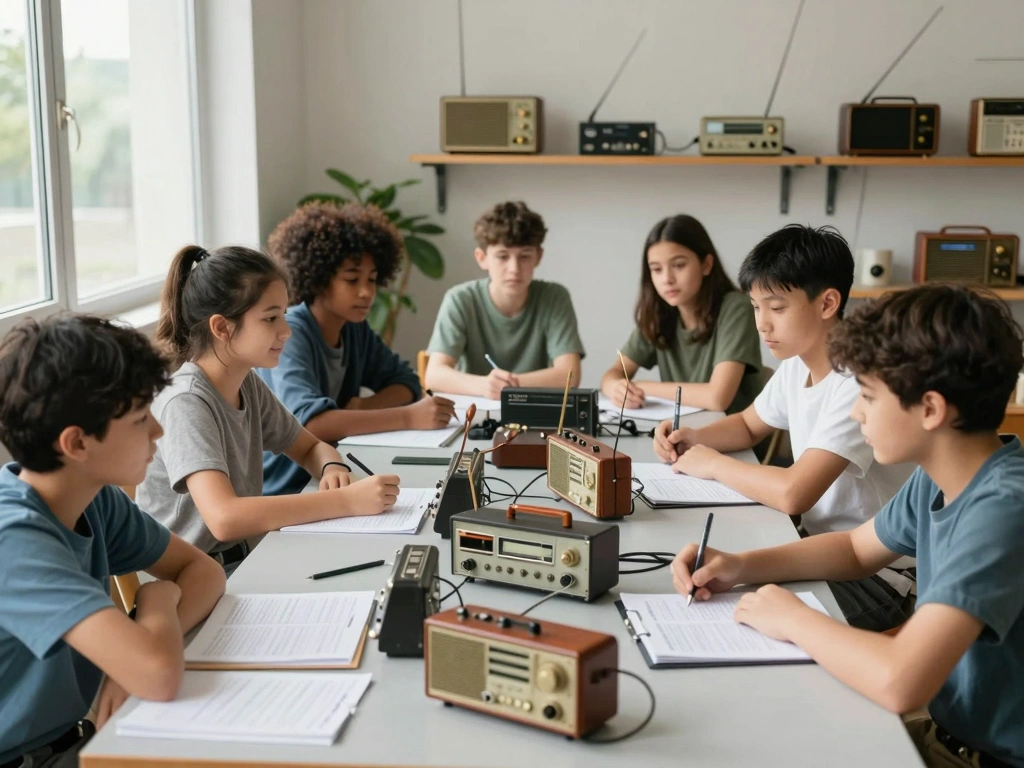
In today’s digital age, screens have become an integral part of everyday life, influencing how children learn, play, and socialize. However, the excessive use of screens can have significant impacts on child development. To mitigate these effects, many parents are exploring the merits of screen-free activities. learn more today about how to foster a child's growth through creative toys that do not involve screens.
The Impact of Screens on Child Development
The correlation between screen time and various developmental concerns is becoming increasingly evident. Research indicates that excessive screen usage can stunt emotional, social, and cognitive growth in children. For instance, toddlers who spend long hours in front of devices may experience delays in language acquisition and disinterest in physical play. Moreover, prolonged screen time has been linked to behavioral issues, decreased attention spans, and even sleep disturbances.
Furthermore, the importance of developing skills such as problem-solving and critical thinking is often overshadowed by passive activities. Children engrossed in screens miss out on valuable interactions and hands-on experiences that cultivate creativity and collaboration.
Benefits of Screen-Free Activities
Encouraging children to engage in screen-free play offers a multitude of benefits. These activities not only mitigate the negative effects associated with excessive screen time but also introduce children to a world of imaginative play that fosters social engagement and cooperative skills.
- Enhances Creativity: Screen-free play provides an environment where children can invent stories, create characters, and initiate play scenarios without limitations.
- Improves Physical Health: Activities such as outdoor play or crafting enhance physical fitness, coordination, and overall wellness.
- Boosts Problem-Solving Skills: Engaging with non-digital toys requires children to think independently, develop strategies, and navigate challenges.
- Encourages Social Interaction: Play activities often require teamwork, thereby enhancing communication skills and teaching children how to cooperate with others.
Encouraging Imagination Through Play
Imaginative play is crucial for fostering emotional resilience and critical thinking. Through pretend play, children explore different perspectives and role-play various scenarios that can teach empathy and ethical considerations. For instance, dressing up as different professions such as doctors or firefighters can ignite passion and curiosity about the world around them.
Moreover, unstructured playtime allows children to set their own boundaries, create their narratives, and learn how to resolve conflicts, which can further enhance their emotional intelligence and decision-making skills.
Types of Screen-Free Toys for All Ages
The market is flooded with numerous screen-free toys that cater to various age groups and interests. Here, we explore a variety of toys that can keep children engaged while promoting creativity and learning.
Building Blocks and Construction Toys
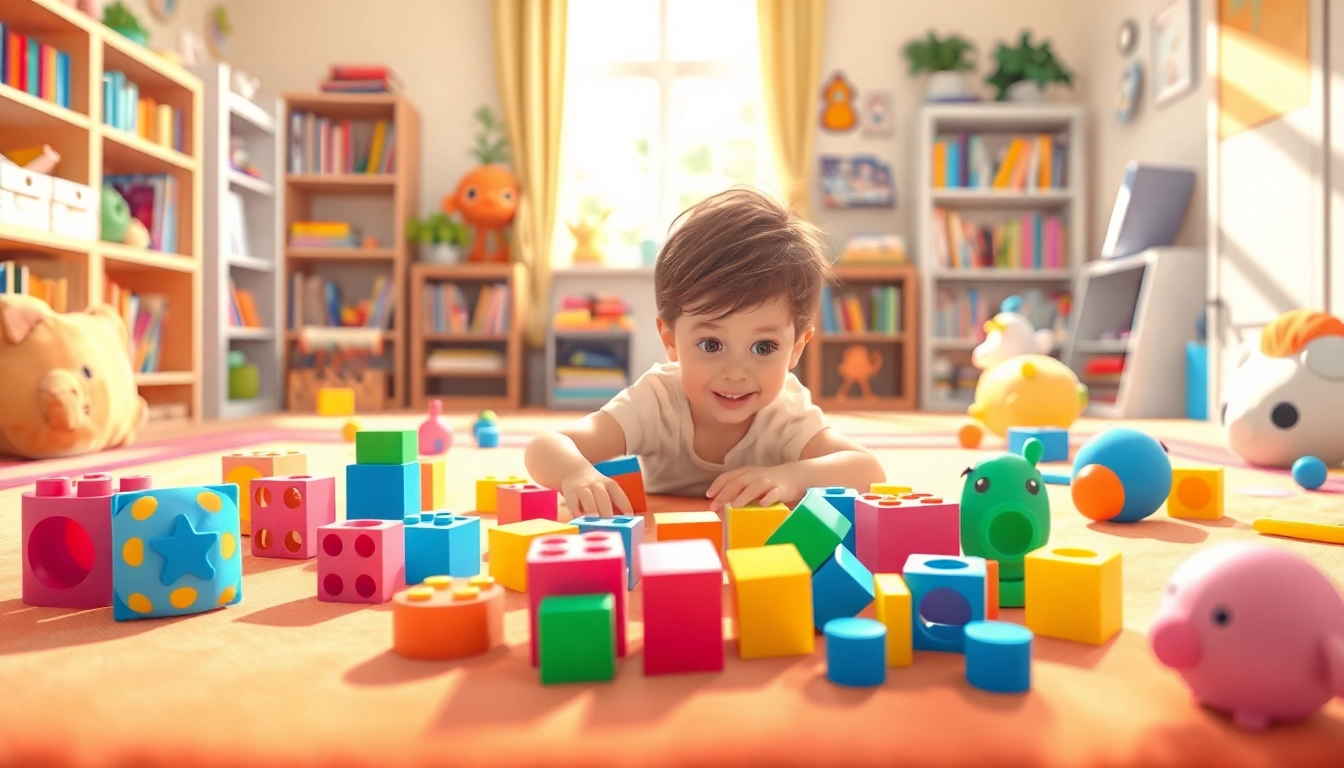
Building blocks are a classic example of toys that stimulate creative play. These toys allow children to experiment with physics, encourage spatial reasoning, and hone fine motor skills. Sets like LEGO or wooden blocks challenge children to design their own structures, fostering both individual and collaborative play. Additionally, construction toys can be tailored to fit various educational themes such as geometry, architecture, and even storytelling.
Art Supplies: Tools for Creativity
Art supplies are essential for encouraging creative expression. Items like colored pencils, watercolors, and modeling clay enable children to explore their artistic abilities while developing hand-eye coordination and fine motor skills. Craft projects not only allow for individual creativity but can also be a fantastic group activity, leading to shared experiences and collaborative projects.
Outdoor Toys to Foster Physical Activity
Outdoor toys such as bicycles, trampolines, and sporting equipment encourage physical activity while allowing children to explore their environment. Engaging in outdoor play supports not only physical health but also allows for social interactions among peers. Games like tag or capture the flag require teamwork and strategy, further promoting social development alongside physical fitness.
How to Choose the Right Screen-Free Toys
Selecting appropriate screen-free toys that resonate with children's interests and developmental needs is critical. The following guidelines can help you in making informed choices.
Age Appropriateness and Safety Considerations
When choosing toys, it’s essential to consider the child's age and developmental stage. Look for materials that are safe, non-toxic, and free of small parts that pose choking hazards for younger children. Many toys are now labeled with recommended age ranges, helping parents identify which products are suitable. Always ensure that toys meet the necessary safety standards for your region.
Balancing Educational and Fun Elements
While fun is an integral part of play, educational elements can enhance the value of toys. Toys that encourage logic, mathematics, or creativity can offer learning opportunities while still being enjoyable. For example, pattern-building games can teach children about shapes and colors while keeping them engaged.
Incorporating Diverse Play Options
Diversity in play options ensures that children are continually challenged and engaged. Mixing various types of toys—from art supplies to construction sets—can spark different interests and capabilities. Moreover, integrating cultural elements or thematic sets can broaden children’s horizons and instill a love for learning about the world.
Tips for Engaging Kids in Screen-Free Activities
It can sometimes be challenging to encourage kids to choose screen-free activities. Below are some practical tips to facilitate engaging and enriching playtimes.
Setting Up a Creative Play Space
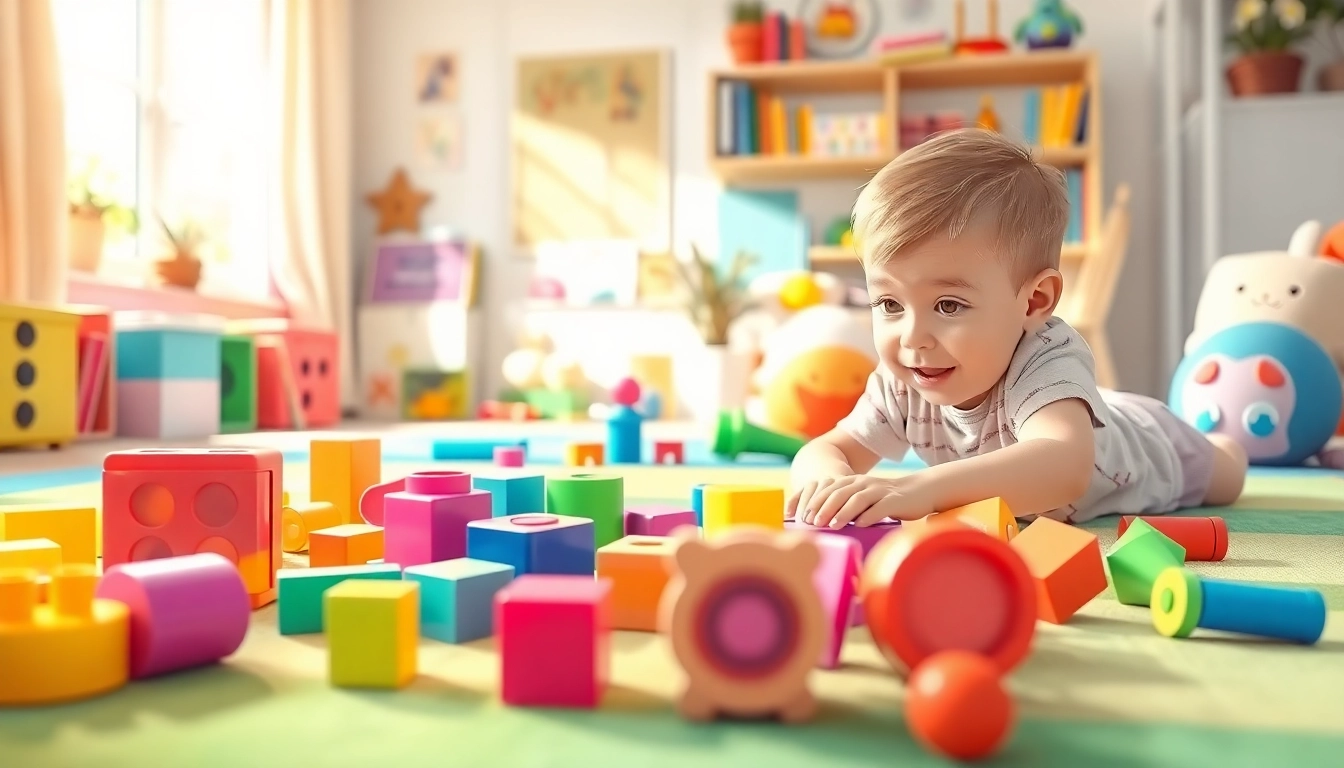
A designated play area can ignite creativity and curiosity. Organize the space with easily accessible toys, art supplies, and comfortable seating to create an inviting atmosphere for imaginative play. Ensure the area is safe, filled with age-appropriate items, and conducive to various play styles—whether that’s building, crafting, or role-playing.
Involving Parents and Family in Playtime
Participating in playtime allows parents and caregivers to bond with children while modeling interaction and play skills. Engaging in activities like board games or arts and crafts together not only enhances family connections but also fosters a sense of community and shared learning experiences. Creating collaborative scenarios, such as building a large fort or acting out a story, encourages teamwork and communication.
Creating a Routine That Encourages Exploration
Establishing a routine that includes designated screen-free times can help foster consistent engagement in creative play. Encourage daily activities that integrate open-ended play, whether it be an outdoor adventure or arts and crafts session after school. Regularly rotating toys and introducing new art projects can keep children excited and curious about their playtime options.
Frequently Asked Questions
What are screen-free toys?
Screen-free toys are items that encourage creative play without the use of screens, such as building blocks and art supplies.
How can screen-free play benefit my child?
It promotes imaginative thinking, enhances physical coordination, and fosters social interactions while reducing reliance on screens.
What age is best for screen-free toys?
Screen-free toys can be suitable for all ages, but it's crucial to choose age-appropriate options for safety and enjoyment.
Are screen-free toys more educational?
Many screen-free toys focus on critical skills like problem-solving, creativity, and physical coordination, promoting learning through play.
How can I encourage my child to play screen-free?
Create inviting play areas, involve them in choosing toys, and engage in activities together to spark their interest.