
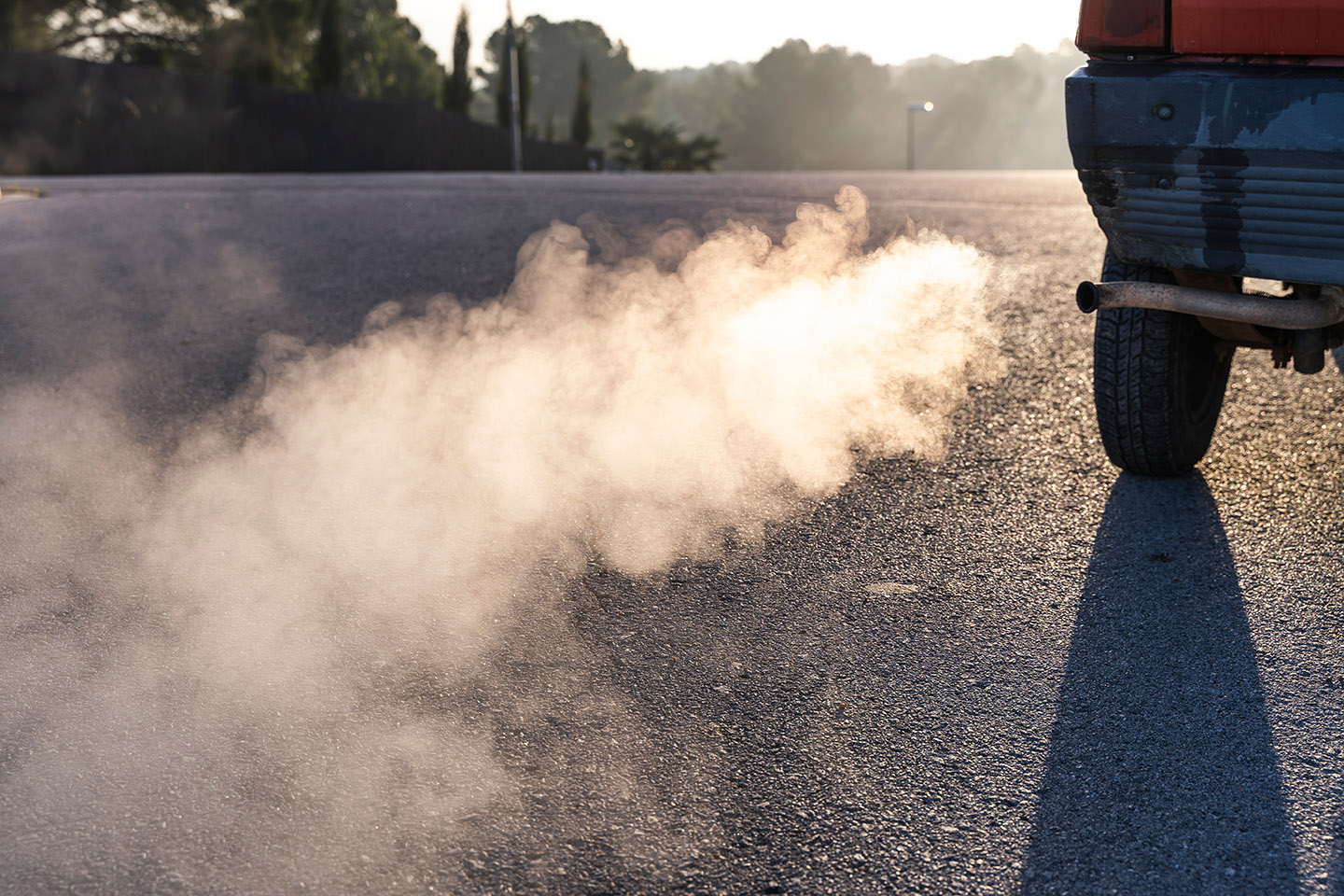
Diesel vehicles rely on advanced emissions systems to meet modern environmental standards, and the Diesel Particulate Filter (DPF) is one of the most important components in that system. To help maintain DPF performance, many vehicle owners turn to a DPF additive as a preventative maintenance solution. While a DPF additive can support the regeneration process and reduce soot buildup, an important question remains: Is a DPF additive enough to keep your DPF functioning efficiently over the long term?
The answer lies in understanding the difference between soot and ash. Most products marketed as a DPF additive are designed to assist with soot management. However, ash accumulation is a separate issue that cannot be burned away through regeneration. This is where AshX offers a different approach by targeting ash directly.
Understanding the Role of a DPF Additive
A DPF additive is a specially formulated chemical product designed to help improve the efficiency of the Diesel Particulate Filter. It is typically added to the fuel tank and works by lowering the temperature required for soot combustion during regeneration.
When a vehicle operates, the DPF captures particulate matter generated during diesel combustion. Over time, this soot accumulates and can restrict exhaust flow. A DPF additive helps facilitate the burning of soot, reducing the likelihood of excessive blockage.
How a DPF Additive Works
The primary function of a DPF additive is to assist the regeneration process. During regeneration, trapped soot is burned off at high temperatures. By making soot easier to burn, a DPF additive can:
- Improve regeneration efficiency
- Reduce soot accumulation
- Help prevent warning lights
- Enhance engine performance
- Support fuel economy
For many drivers, a DPF additive provides a convenient way to maintain DPF performance between servicing intervals.
The Difference Between Soot and Ash
To understand whether a DPF additive is enough, it is essential to distinguish between soot and ash.
Soot is a carbon-based byproduct of diesel combustion. It can be burned away during regeneration, especially with the assistance of a quality DPF additive.
Ash, however, is entirely different. Ash is created from engine oil additives, fuel impurities, and metallic residues. Unlike soot, ash cannot be removed through regeneration.
Why Ash Is a Growing Problem
Every time regeneration occurs, soot is burned away, but ash remains trapped inside the DPF. Over thousands of miles, this ash gradually accumulates and reduces the filter's storage capacity.
Even if you regularly use a DPF additive, ash continues to build up because the additive primarily addresses soot, not ash. Eventually, ash accumulation can cause:
- Reduced DPF efficiency
- Increased back pressure
- Poor engine performance
- Higher fuel consumption
- Expensive repair bills
This limitation highlights why relying solely on a DPF additive may not provide a complete solution.
Why a DPF Additive Has Its Limits
Many vehicle owners assume that using a DPF additive regularly will prevent all DPF-related problems. While these products certainly have benefits, they do not address every cause of DPF restriction.
Soot Can Be Managed
A high-quality DPF additive can effectively reduce soot-related issues by supporting more complete regeneration cycles. This makes it valuable for vehicles that experience frequent stop-start driving or limited motorway use.
Ash Cannot Be Burned Away
No matter how effective a DPF additive may be, it cannot eliminate ash deposits. Ash remains inside the filter structure and gradually occupies space that was originally designed to store soot.
As ash accumulates, regeneration becomes less effective because there is less available capacity inside the filter. This creates a cycle where DPF performance continues to decline despite regular use of a DPF additive.
Why AshX Takes a Different Approach
AshX was developed with a clear understanding of the limitations of traditional DPF additive solutions. Rather than focusing solely on soot management, AshX targets the underlying issue of ash accumulation.
Direct Ash Management
Unlike a conventional DPF additive, AshX is designed to address ash-related restrictions that reduce DPF efficiency over time.
By targeting ash directly, AshX helps restore filter functionality and supports long-term DPF performance. This approach complements the benefits of a DPF additive while addressing a problem that standard additives cannot solve.
Supporting Long-Term DPF Health
A traditional DPF additive may help maintain cleaner regeneration cycles, but AshX focuses on preserving the filter's overall capacity and effectiveness.
This broader maintenance strategy can help vehicle owners:
- Extend DPF service life
- Reduce maintenance costs
- Improve engine efficiency
- Minimize downtime
- Avoid premature DPF replacement
When Should You Consider More Than a DPF Additive?
A DPF additive is often beneficial as part of routine maintenance. However, there are situations where additional intervention may be necessary.
Persistent DPF Warning Lights
If warning lights continue to appear despite regular use of a DPF additive, ash accumulation may be contributing to the problem.
Frequent Regeneration Cycles
Vehicles requiring unusually frequent regenerations may be experiencing reduced filter capacity due to ash buildup. In these cases, a DPF additive alone may not resolve the issue.
Reduced Engine Performance
Loss of power, sluggish acceleration, and increased fuel consumption can indicate excessive DPF restriction. While a DPF additive can assist with soot management, it may not address the root cause if ash is present.
Combining Preventative and Corrective Strategies
The most effective DPF maintenance plan often involves combining preventative measures with solutions that address long-term contamination.
The Value of a DPF Additive
A quality DPF additive remains an important tool for reducing soot accumulation and supporting efficient regeneration. Regular use can help prevent avoidable blockages and maintain smoother operation.
The Importance of Ash Control
Because ash is unavoidable throughout the life of a diesel engine, addressing it directly becomes increasingly important. AshX complements the benefits of a DPF additive by focusing on the material that regeneration cannot remove.
Together, these approaches provide a more comprehensive DPF maintenance strategy than relying on a DPF additive alone.
Choosing the Right DPF Maintenance Solution
Not all DPF problems are caused by soot. Understanding the distinction between soot and ash can help vehicle owners make better maintenance decisions.
A DPF additive is an excellent preventative tool for supporting regeneration and reducing soot-related issues. However, when ash accumulation becomes significant, additional solutions are required to restore optimal filter performance.
By recognizing the limitations of a standard DPF additive, vehicle owners can take a more proactive approach to DPF care and avoid costly repairs in the future.
Conclusion
A DPF additive plays an important role in helping diesel vehicles manage soot buildup and maintain effective regeneration cycles. However, while a DPF additive can reduce soot-related issues, it cannot eliminate ash accumulation inside the filter.
Over time, ash becomes one of the leading causes of reduced DPF performance, increased back pressure, and costly maintenance. This is why relying solely on a DPF additive may not be enough for long-term DPF health.
AshX takes a more comprehensive approach by targeting ash directly, addressing a critical issue that traditional DPF additive products cannot solve. By combining the preventative benefits of a DPF additive with effective ash management, vehicle owners can achieve better performance, longer DPF life, and greater reliability from their diesel engines.