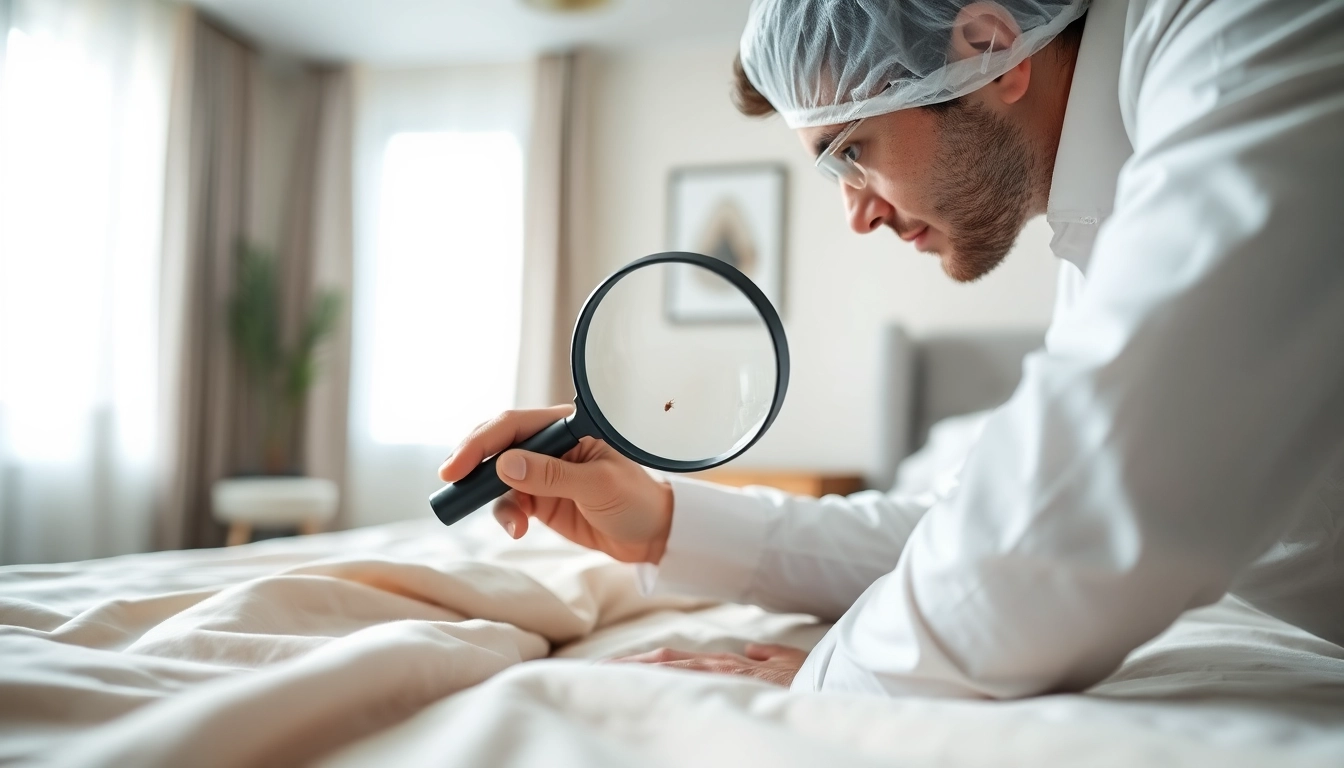
Understanding Bed Bugs and Their Habits
What are Bed Bugs?
Bed bugs are small, reddish-brown insects that feed on the blood of humans and animals. They are nocturnal and often hide in crevices during the day, making them elusive pests. Adult bed bugs measure between 1/4 inch to 3/8 inch in length, resembling apple seeds. Their flat bodies allow them to fit into narrow spaces, and they are notorious for their ability to reproduce quickly under favorable conditions. Understanding their biology and behavior is essential for effective bed bug treatment.
Signs of Bed Bug Infestation
Identifying the signs of a bed bug infestation early is critical. Common signs include:
- Bite Marks: Red, itchy welts that appear on the skin.
- Blood Stains: Small, dark spots on sheets or mattresses from crushed bugs.
- Fecal Spots: Tiny black or brown dots that represent digested blood, often found near hiding places.
- Eggs and Shells: Small white eggs or shed exoskeletons indicating movement or reproduction.
How Bed Bugs Spread
Bed bugs are opportunistic hitchhikers and can spread through various means, including:
- Travel: Infesting luggage, clothing, and bedding during trips.
- Secondhand Furniture: Purchasing or obtaining used furniture or mattresses without proper inspection.
- Common Areas: Public places like hotels, offices, and public transport can harbor these pests.
Evaluating Bed Bug Treatment Options
Professional Bed Bug Treatment Services
Professional pest control services are often the most effective way to address severe infestations. Technicians typically use a combination of chemical treatments and heat therapies, ensuring comprehensive extermination. These services have the advantage of trained personnel who understand bed bug behavior, lifecycle, and the best methods for eradication. Regular follow-ups and pest management plans often accompany professional services to ensure complete elimination and to prevent future outbreaks.
Do-it-Yourself Bed Bug Treatment
For minor infestations, many choose DIY methods as an initial approach. Effective DIY treatment includes:
- Heat Treatment: Washing fabrics in hot water and drying them at high temperatures can kill bed bugs.
- Vacuuming: Regular vacuuming of affected areas helps remove bugs and eggs. Dispose of the vacuum bag outdoors immediately.
- Insecticides: Over-the-counter pesticides can be used, but it's crucial to follow the manufacturer's instructions to avoid health risks and ineffectiveness.
Natural Remedies and Their Effectiveness
Some homeowners prefer natural remedies, which often include essential oils like tea tree oil and lavender oil. While these can repel bed bugs, their effectiveness is not always guaranteed. Essential oils may not kill bed bugs but can deter their presence temporarily. Comprehensive treatment is advised to ensure complete eradication, as relying solely on natural methods may lead to ongoing infestations.
Preparing Your Home for Bed Bug Treatment
Steps to Prepare Your Space
Before treatment, it's critical to prepare your living space. Key steps include:
- Decluttering: Remove unnecessary items from rooms to minimize breeding habitats.
- Bed Bug Proofing: Use bed bug-proof encasements on mattresses and box springs.
- Isolating Infested Items: Seal affected clothing and bedding in plastic bags to prevent spreading.
Packing and Moving Items Safely
When packing items for treatment, ensure that all bags are tightly sealed. Inspect any clothing or belongings transported out of infested areas to prevent cross-contamination. It’s advisable to avoid transferring items to other rooms until treatment is fully completed.
Cleaning and Decluttering Strategies
A thorough cleaning is essential prior to treatment. Focus on:
- Vacuuming: Pay attention to seams, edges, and hidden corners.
- Washing: Launder all bedding, clothing, and curtains in hot water.
- Disposing of Contaminated Items: If heavily infested, consider disposing of affected furniture responsibly.
Post-Treatment Care and Prevention
Identifying Remaining Bed Bugs
After treatment, monitor your living space for potential bed bugs. Look for any signs previously mentioned, and remain vigilant in inspections for several weeks following treatment. Early detection is key in case of a resurgence, as remaining pests could re-establish an infestation.
Long-Term Prevention Tips
To prevent future infestations, implement the following strategies:
- Limit Travel Risks: Inspect hotel rooms and luggage upon returning home.
- Regular Inspections: Routinely check your home for signs of bugs, especially after guests or travel.
- Maintain Cleanliness: Regularly launder bedding and keep clutter to a minimum.
When to Schedule Follow-Up Treatments
It’s advisable to schedule follow-up inspections and treatments if you suspect that bed bugs may still be present. Guidelines may vary based on the severity of the infestation, but a follow-up two to four weeks post-treatment is common to ensure any lingering eggs or adult bugs are eliminated.
Frequently Asked Questions About Bed Bug Treatment
How do you get rid of bed bugs quickly?
Vacuum daily, wash linens on hot cycles, and utilize heat to kill bed bugs instantly. Ensure to empty vacuum bags outside immediately.
What are the costs associated with bed bug treatment?
Costs can vary widely depending on severity and treatment type, ranging from $200 to over $1500 for extensive infestations requiring multiple treatments.
Can I use home remedies effectively for bed bugs?
While some home remedies can provide temporary relief, they are generally not as effective as comprehensive treatments and may only repel, not eradicate.
How can I prevent future bed bug infestations?
Implement regular inspections, limit travel-related exposure, and maintain clean living conditions to prevent re-infestations.
What should I expect after bed bug treatment?
Post-treatment, some may continue to experience bites, but effective sanitation and pest control methods should reduce activity over time. Regular monitoring is crucial.