
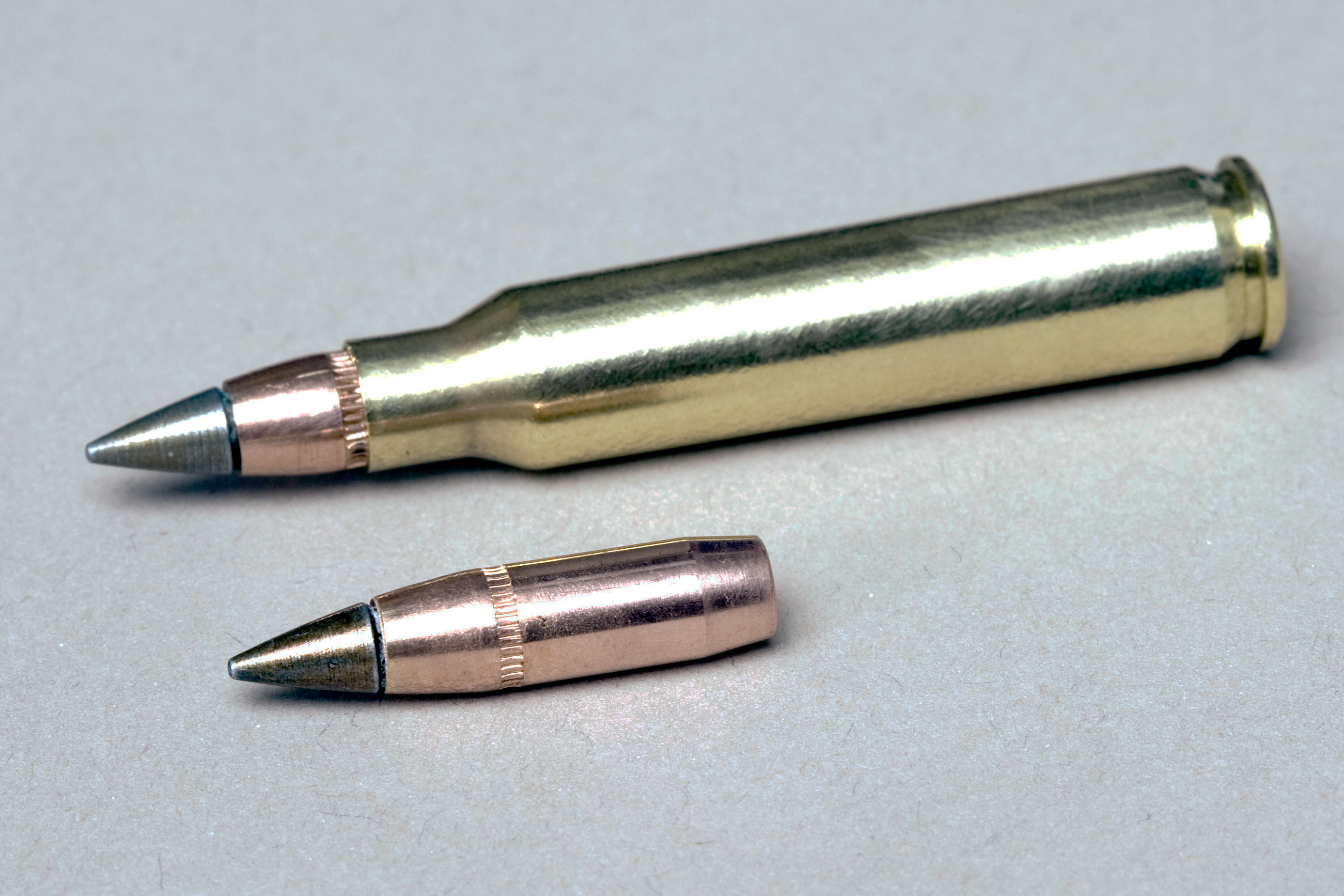
Understanding M855A1 Ammunition
M855A1 is a modern 5.56×45mm cartridge developed as an enhanced performance round for improved consistency, penetration, and reliability. The design of M855A1 was created to offer better terminal performance than earlier generations of 5.56 ammunition while maintaining compatibility with rifles chambered for this caliber. Because of its engineering improvements, M855A1 has become a widely discussed topic among firearm enthusiasts, researchers, and tactical professionals.
The construction of M855a1 differs from older ammunition types due to its lead-free design and optimized projectile shape. These changes were introduced to improve both environmental considerations and ballistic efficiency. As a result, M855A1 is often referenced in conversations about modern military ammunition technology and next-generation cartridge development.
Design and Construction of M855A1
One of the most notable characteristics of M855A1 is its projectile composition. Traditional ammunition often uses lead-core bullets, but M855A1 features a more advanced structure with a hardened steel penetrator and copper components. This unique combination contributes to stronger barrier penetration and more predictable performance under varied conditions.
The external profile of M855A1 also supports improved aerodynamics. By refining the bullet’s geometry, manufacturers aimed to reduce drag and maintain stability in flight. This makes M855A1 an interesting subject for those studying ballistic performance, as its design represents a significant step forward in ammunition engineering.
Another factor that distinguishes M855A1 is its chamber pressure and velocity profile. Compared with earlier 5.56 rounds, M855A1 is engineered to achieve enhanced muzzle velocity while still functioning reliably in compatible firearm systems.
Ballistic Performance of M855A1
Ballistic performance is one of the main reasons M855A1 attracts attention. This cartridge is known for its flatter trajectory and improved retained energy over distance. These qualities make M855A1 relevant in discussions regarding effective range and target consistency.
The higher velocity of M855A1 can contribute to stronger terminal effects depending on barrel length, environmental conditions, and distance. Many analysts note that M855A1 demonstrates effective performance across multiple engagement ranges, which is part of why it has been widely evaluated.
Accuracy is another major talking point. M855A1 was developed with tighter manufacturing standards to support better shot-to-shot consistency. This emphasis on precision has made M855A1 a reference point when comparing modern service ammunition to legacy cartridge designs.
Compatibility and Firearm Use
M855A1 is generally associated with firearms chambered in 5.56 NATO. However, compatibility considerations are always important when discussing ammunition types. Chamber specifications, barrel twist rates, and rifle condition can all influence how ammunition performs.
Users researching M855A1 often examine barrel wear, gas system function, and feeding reliability. Since M855A1 operates at distinct performance levels, understanding firearm compatibility is essential when evaluating ammunition options. This technical aspect has contributed to the reputation of M855A1 as a specialized and performance-focused cartridge.
Because M855A1 is part of a broader conversation about ammunition modernization, it is frequently analyzed alongside other 5.56 rounds for comparison purposes.
Advantages of M855A1
The appeal of M855A1 comes from several engineering advantages. Its improved penetration capabilities are among the most frequently mentioned features. This characteristic stems largely from the hardened penetrator and refined bullet structure.
Another advantage is consistency. M855A1 was designed to reduce variability and improve predictable ballistic results. For professionals and enthusiasts interested in data-driven performance, this consistency is a valuable quality.
Environmental considerations also play a role. Since M855A1 uses a lead-free design, it reflects broader industry trends toward cleaner and more sustainable ammunition technologies. This aspect has added another layer of interest to discussions surrounding M855A1.
Durability in challenging conditions is another reason M855A1 is frequently discussed. Ammunition performance under different climates and operational settings remains a major topic in ballistic evaluation.
M855A1 in Ammunition Discussions
Within ammunition discussions, M855A1 is often referenced as an example of modern cartridge evolution. Analysts use M855A1 to illustrate how projectile materials, design refinements, and performance testing can influence real-world outcomes.
The cartridge is also commonly compared with earlier service rounds. These comparisons usually focus on penetration, consistency, and projectile behavior. In these discussions, M855A1 is often presented as a case study in balancing performance upgrades with platform compatibility.
Interest in M855A1 extends beyond tactical communities. Researchers, collectors, and shooting enthusiasts frequently study the round because it represents a notable milestone in ammunition development.
Future Relevance of M855A1
As ammunition technology continues to evolve, M855A1 remains relevant as a benchmark for innovation. Its development highlights the importance of balancing engineering goals such as velocity, penetration, consistency, and material efficiency.
Many future cartridge designs may draw lessons from the development principles seen in M855A1. For this reason, the round is likely to remain part of ongoing conversations about ballistic science and military ammunition modernization.
The continued attention given to M855A1 demonstrates how a single cartridge can influence broader trends within the firearms and ammunition industry. Whether studied for its technical design or performance metrics, M855A1 continues to hold significance in discussions about advanced 5.56 ammunition systems.