
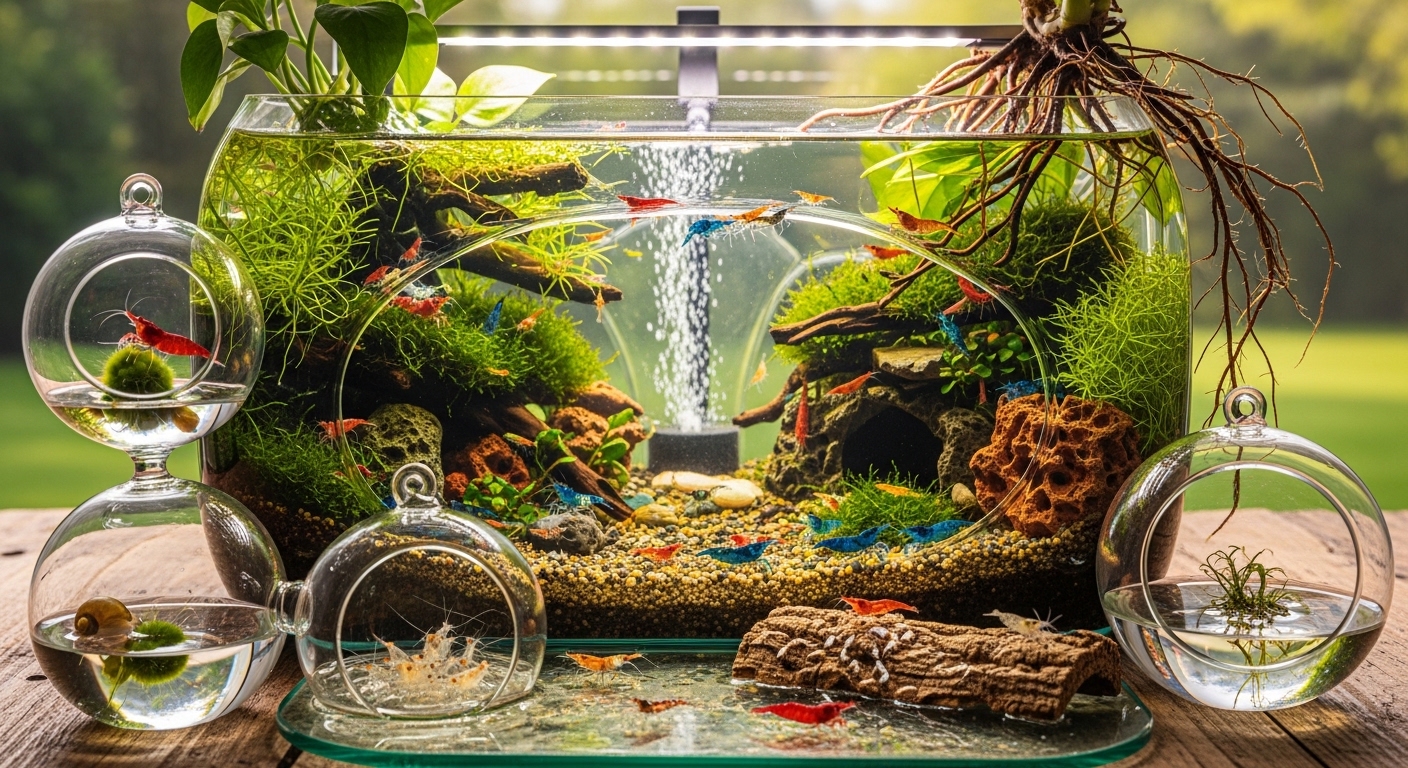
Maintaining clean and healthy aquarium water is one of the most important parts of successful shrimp keeping. A balanced shrimp ecosystem not only improves the appearance of an aquarium but also supports the health, activity, and breeding success of shrimp. Clear water reflects proper maintenance, stable conditions, and a healthy biological balance inside the tank. Many hobbyists focus only on decorations and shrimp varieties, but long-term success depends heavily on water quality management.
A thriving shrimp ecosystem requires patience, consistency, and attention to detail. Shrimp are highly sensitive to toxins and sudden environmental changes, making regular maintenance essential for their survival. When the aquarium remains stable and clean, shrimp become more active, display brighter colors, and reproduce more successfully.
Understanding the Importance of Water Quality
Water quality is the foundation of every healthy shrimp ecosystem. Shrimp are delicate aquatic creatures that react quickly to ammonia, nitrite, and sudden parameter shifts. Poor water quality can lead to stress, failed molts, illness, and even shrimp deaths if problems are ignored for too long.
A stable shrimp ecosystem should maintain clean water with balanced pH, temperature, and hardness levels. Consistent monitoring helps hobbyists detect issues early before they become dangerous. Crystal clear water is often a sign that the aquarium’s biological filtration and maintenance routine are functioning properly.
Performing Regular Water Changes
Routine water changes are essential for maintaining a healthy shrimp ecosystem. Over time, waste, leftover food, and organic material build up inside the aquarium, reducing water quality. Small weekly water changes help remove impurities while keeping conditions stable for shrimp.
A balanced shrimp ecosystem benefits more from frequent small water changes than large sudden replacements. Replacing too much water at once may shock shrimp because they are sensitive to rapid environmental shifts. Using conditioned water with matching temperature and parameters helps reduce stress during maintenance.
Choosing the Right Filtration System
Filtration plays a major role in keeping a shrimp ecosystem clean and stable. Sponge filters are among the best choices for shrimp tanks because they provide gentle water flow and support beneficial bacteria growth. They also protect baby shrimp from being accidentally pulled into stronger filters.
A properly filtered shrimp ecosystem stays healthier because waste products are broken down naturally before reaching dangerous levels. Clean filtration media also improves oxygen circulation throughout the aquarium. Gentle filtration creates a calm environment where shrimp can graze and move comfortably.
Preventing Overfeeding and Waste Buildup
Overfeeding is one of the most common causes of cloudy water in a shrimp ecosystem. Uneaten food quickly decomposes and releases harmful substances into the aquarium. Shrimp require only small amounts of food because they naturally graze on algae and microorganisms throughout the day.
A healthy shrimp ecosystem should include careful feeding routines that avoid excess waste. High-quality shrimp pellets, algae wafers, and blanched vegetables provide balanced nutrition without polluting the water when fed properly. Removing uneaten food after several hours helps maintain crystal clear water conditions.
Benefits of Live Plants for Cleaner Water
Live plants are extremely beneficial in every shrimp ecosystem because they naturally improve water quality. Plants absorb excess nutrients that would otherwise contribute to algae growth and cloudy water. They also increase oxygen levels and create a healthier environment for shrimp.
A planted shrimp ecosystem often stays cleaner and more stable over time because plants support natural biological balance. Mosses, floating plants, and carpeting plants are especially useful because they provide hiding spaces and surfaces for biofilm growth. Healthy plants contribute greatly to overall aquarium clarity and beauty.
Cleaning the Substrate Properly
Substrate maintenance is another important part of preserving a clean shrimp ecosystem. Waste and debris often settle at the bottom of the aquarium, where they can slowly affect water quality if left untouched. Gentle cleaning helps remove buildup without disturbing beneficial bacteria.
A well-maintained shrimp ecosystem requires careful substrate cleaning during water changes. Gravel vacuums can help remove waste while avoiding excessive disruption to shrimp and plants. Cleaning should always be done gradually because sudden deep cleaning may upset the natural biological balance inside the aquarium.
Managing Algae Growth Effectively
Algae control is important for maintaining an attractive shrimp ecosystem with crystal clear water. Small amounts of algae are natural and even beneficial because shrimp enjoy grazing on it. However, excessive algae growth may indicate too much light, overfeeding, or nutrient imbalance.
A healthy shrimp ecosystem balances lighting, feeding, and plant growth to prevent algae problems naturally. Limiting direct sunlight and maintaining proper lighting schedules can significantly reduce unwanted algae growth. Amano Shrimp and snails may also help control algae without harming the aquarium environment.
Monitoring Water Parameters Consistently
Testing water regularly is essential for maintaining a stable shrimp ecosystem. Important parameters include ammonia, nitrite, nitrate, pH, and temperature. Sudden fluctuations may stress shrimp and lead to health problems if not corrected quickly.
A stable shrimp ecosystem should always maintain safe and predictable conditions. Testing kits allow hobbyists to identify changes before shrimp begin showing signs of stress. Consistent monitoring supports long-term aquarium stability and helps maintain clear, healthy water.
Importance of Patience and Stability
Patience is one of the most valuable skills in maintaining a healthy shrimp ecosystem. Many beginners make frequent adjustments trying to achieve perfect water conditions, but constant changes often create more problems than solutions. Shrimp thrive best in stable and predictable environments.
A mature shrimp ecosystem becomes naturally balanced over time as beneficial bacteria and plants establish themselves fully. Stable aquariums often require less maintenance because natural processes help maintain water clarity and quality. Allowing the aquarium to develop gradually creates healthier long-term conditions for shrimp.
Conclusion
Maintaining crystal clear water requires consistency, careful observation, and proper aquarium care. A balanced shrimp ecosystem rewards hobbyists with healthy shrimp, vibrant plants, and a peaceful underwater environment that remains beautiful for years. By focusing on stable water conditions, proper feeding, effective filtration, and regular maintenance, aquarium owners can successfully create a thriving aquatic habitat with excellent water clarity and long-term stability.