What is a Telehandler?
Definition and Functionality
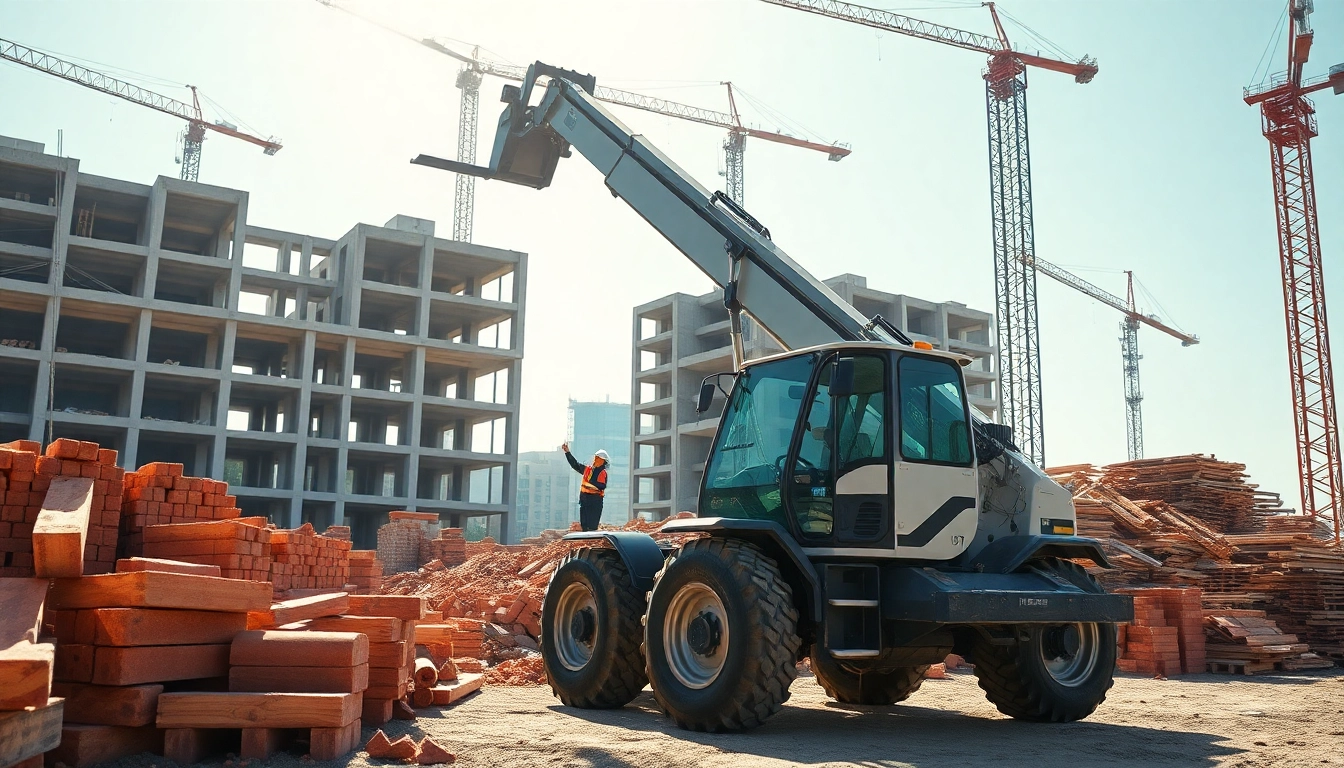
A telehandler, or telescopic handler, is a multi-functional lifting machine used in various industries including construction and agriculture. It features a telescoping boom that allows for extended reach and height, making it an ideal choice for lifting, carrying, and placing heavy materials.
The telehandler operates similarly to a forklift but is more versatile in its operations. The key feature is its ability to extend vertically and horizontally, which is crucial for accessing areas that are otherwise challenging. Its functionality includes loading, unloading, and transporting goods efficiently, whether on a construction site, farm, or warehouse.
Common Applications in Construction
In the construction industry, the telehandler is invaluable due to its varied applications. It can be used to stack pallets, lift construction materials such as bricks and lumber, and even transport workers to high elevations when fitted with the proper attachments. This flexibility makes it a must-have tool for any contractor seeking to improve efficiency and productivity on site.
Other common applications include:
- Heavy Material Handling: The telehandler can lift and move materials that traditional forklifts or cranes may not manage effectively.
- Site Clean-Up: They are frequently employed for debris removal by safely lifting heavy waste and construction materials.
- Landscaping: Telehandlers are also used in landscaping for moving heavy soil, stones, and other materials effectively.
Benefits of Using Telehandlers
The telehandler provides a plethora of benefits, making it a wise choice in various applications:
- Versatility: With compatible attachments like buckets, forks, and hooks, a telehandler can perform a multitude of tasks, from lifting to digging.
- Enhanced Reach: The extendable boom allows operators to reach over obstacles and into tight spaces, which is particularly beneficial in cramped or cluttered construction sites.
- Improved Safety: Advanced safety features, such as stabilizers and automatic leveling systems, reduce risks associated with heavy lifting.
- Operational Efficiency: The ability to utilize one piece of equipment for various tasks reduces the need for multiple machines, saving time and costs.
Key Features of Telehandlers
Lift Capacity and Reach
One of the primary considerations when selecting a telehandler is its lift capacity and reach. Typical telehandlers can lift loads ranging from 5,000 to 12,000 pounds, with lift heights reaching up to 60 feet or more, depending on the model and configuration. This capacity allows for substantial flexibility in handling materials efficiently and securely.
Choosing the appropriate telehandler involves assessing the maximum weight and height needed for particular tasks. Operators must ensure that they select a telehandler suited to the materials they will handle while maintaining safety and stability.
Versatile Attachments and Accessories
A telehandler's versatility is significantly enhanced by the availability of various attachments. Here are some commonly used attachments:
- Forks: Ideal for pallets and standard lifting tasks.
- Buckets: Used for scooping and moving loose materials like sand and gravel.
- Jibs: Allows for horizontal extension, making it easier to position loads.
- Boom Lifts: For higher elevations, extending the reach further safely.
Safety Features to Consider
Safety is paramount in any lifting operation. Telehandlers come equipped with several safety features designed to protect operators and bystanders:
- Load Sensors: These sensors monitor the load's weight and activate warning systems if the telehandler is overloaded.
- Stability Systems: Many telehandlers include automated stabilization features that ensure balanced operation, even on uneven surfaces.
- Cab Safety: Enclosed cabs with clear visibility and protection against falling debris enhance worker safety.
Telehandler vs. Other Lifting Equipment
Comparative Analysis with Forklifts
While telehandlers and forklifts are both essential for material handling, they cater to different needs. A traditional forklift operates well on flat surfaces and is designed primarily for moving pallets in warehouses. In contrast, telehandlers excel in rough terrain and uneven surfaces due to their four-wheel drive and adjustable booms.
Moreover, telehandlers have a significantly greater lift height and reach compared to standard forklifts. They are suitable for a broader range of tasks, thus making them more versatile in outdoor, construction, and agricultural tasks.
When to Choose a Telehandler
Choosing a telehandler over other lifting equipment is advisable when:
- Working in rough terrain where standard forklifts may struggle.
- High lifting capability is essential for accessing elevated areas.
- Tasks require the use of various attachments for diverse operations.
By analyzing specific operation needs and site conditions, users can determine the most effective lifting equipment for their projects.
Limitations of Telehandlers
Despite their versatility, telehandlers do have limitations that should be considered:
- Operational Complexity: They require skilled operators, and improper handling can lead to safety hazards.
- Size and Maneuverability: Telehandlers are often larger than forklifts, which can make navigating cramped or crowded sites challenging.
- Higher Initial Cost: The purchase price of a telehandler can be significantly higher than that of standard forklifts.
Rental Options for Telehandlers
Where to Rent Telehandlers
For many contractors and businesses, renting a telehandler is a cost-effective solution. Numerous equipment rental companies specialize in telehandler rentals, offering various models to suit different needs. It is advisable to research local suppliers and compare pricing, rental terms, and availability before making a decision.
Factors to Consider When Renting
When renting a telehandler, several factors should be evaluated:
- Duration of the Project: Knowing how long you'll need the telehandler can help you choose between short-term or long-term rental options.
- Type of Work: Different telehandlers have different capabilities; ensure the chosen model matches the job requirements.
- Cost: Consider not only the rental cost but also any potential additional fees, like delivery or maintenance costs.
Cost Estimations for Telehandler Rentals
The cost of renting a telehandler varies based on factors such as location, size, and rental duration. On average, daily rentals can range from $200 to $500 per day, while monthly rentals may start from $1,500. It is crucial to obtain quotes from multiple rental companies to ensure you are receiving a competitive price.
Maintenance Tips for Telehandlers
Regular Maintenance Checklist
Proper maintenance extends the life of a telehandler and ensures safe operation. Regular maintenance tasks include:
- Checking fluid levels (oil, coolant, hydraulic fluid).
- Inspecting and maintaining the boom and hydraulic systems.
- Routine cleaning of the machine to prevent dust and debris buildup.
- Regularly inspecting tires for wear and proper inflation.
Signs of Wear and Tear
Operators should be vigilant for signs that a telehandler may require repairs. Common indicators include:
- Unusual noises during operation, which may indicate mechanical issues.
- Fluid leaks, suggesting that seals or gaskets may be failing.
- Lack of responsiveness in the boom movement, hinting at hydraulic system problems.
Best Practices for Longevity
To maximize the lifespan of a telehandler, operators should:
- Follow the manufacturer's recommended maintenance schedule.
- Ensure that operators are trained and familiar with telehandler operation.
- Avoid exceeding load capacity to prevent unnecessary strain on the equipment.
Frequently Asked Questions
1. What is the main difference between a telehandler and a forklift?
The main difference is that telehandlers can extend their booms for increased height and reach, while forklifts are primarily designed for moving loads horizontally on flat surfaces.
2. Are telehandlers suitable for rough terrain?
Yes, telehandlers are designed for rough terrain and uneven surfaces, making them ideal for construction and agricultural applications.
3. Do telehandlers require special training to operate?
Yes, operators must be properly trained and certified, as operating a telehandler presents safety risks if not done correctly.
4. How does load capacity affect telehandler performance?
A telehandler's load capacity determines its suitability for different tasks. Exceeding this capacity can lead to instability and safety hazards.
5. What maintenance is needed for a telehandler?
Regular maintenance includes checking fluid levels, inspecting hydraulic systems, and ensuring all components are in proper working order to avoid operational issues.